Stucco Drainage and Weep Screed Installation
April 20, 2026
Stucco Drainage and Weep Screed Installation
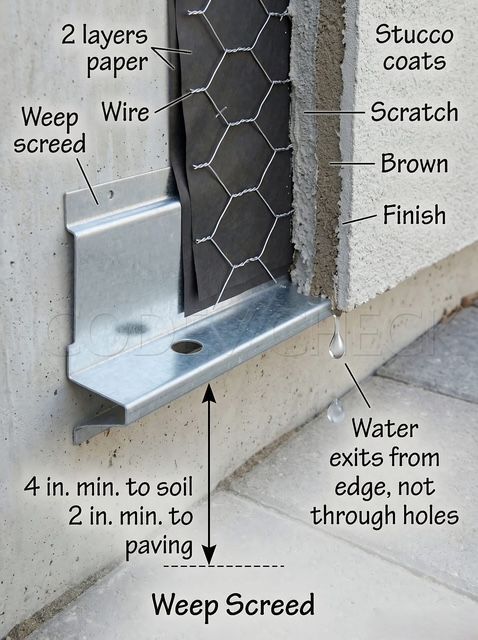
This technical illustration demonstrates the proper assembly of a traditional three-coat stucco system on a concrete foundation, focusing on moisture management. The image highlights the "weep screed," a critical metal flashing component designed to allow water that penetrates the stucco to safely exit the wall assembly, preventing structural rot and water damage to the building's interior.
Key Components & Features
Weep Screed:
A galvanized metal accessory installed at the base of the wall. It features a sloped "v-groove" or "nose" that directs water away from the foundation.
2 Layers of Paper:
These function as the Water-Resistive Barrier (WRB). The dual layers ensure that if the outer layer bonds to the stucco, the inner layer remains free to drain water effectively.
Wire Lath:
A hexagonal metal mesh that provides the structural reinforcement for the stucco, allowing the wet plaster to "key" or lock onto the wall.
Three-Coat Stucco System:
- Scratch Coat: The base layer that creates a mechanical bond with the wire lath.
- Brown Coat: The leveling layer that provides a flat surface for the final finish.
- Finish Coat: The aesthetic top layer that provides color and texture.
- Clearance Requirements: The diagram specifies critical distances to prevent "wicking" and allow for ground movement—a minimum of 4 inches to soil and 2 inches to paved surfaces.
- Drainage Path: The illustration emphasizes that water exits from the bottom edge of the stucco where it meets the screed, rather than relying on the pre-drilled attachment holes.
Design Summary
The image serves as a fundamental guide for building code compliance regarding exterior finishes. By integrating a weep screed and a dual-layer drainage plane, the system acknowledges that stucco is naturally porous. Rather than attempting to make the wall perfectly waterproof, the design manages moisture by providing a clear, gravity-fed path for water to exit the assembly, thereby protecting the underlying structure from moisture-related.
Stucco Repair in Baton Rouge, LA: How to Fix Cracks and Prevent Water Damage
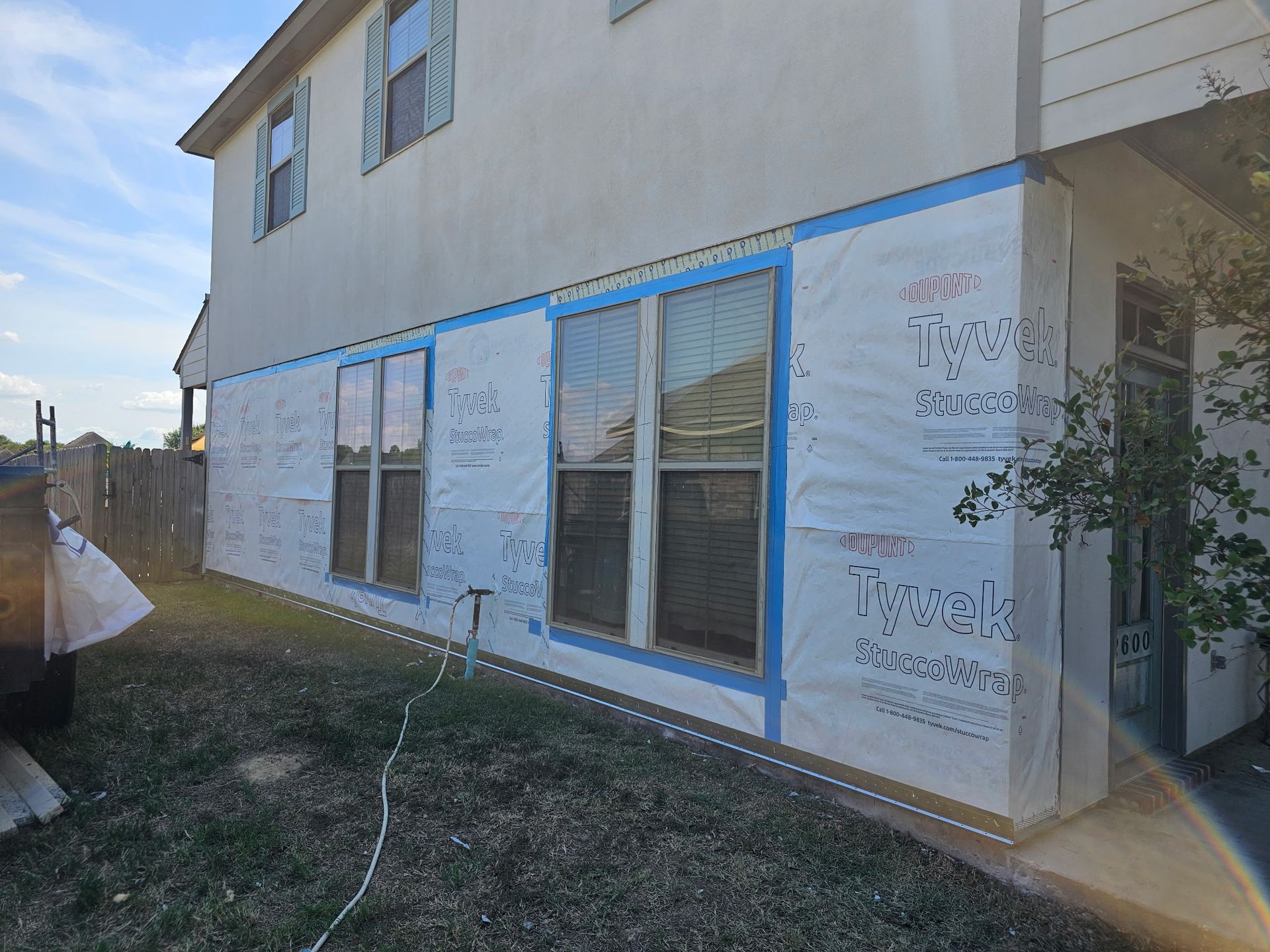
Learn how proper preparation supports a durable stucco exterior. A&G Stucco provides professional stucco installation services for residential properties.
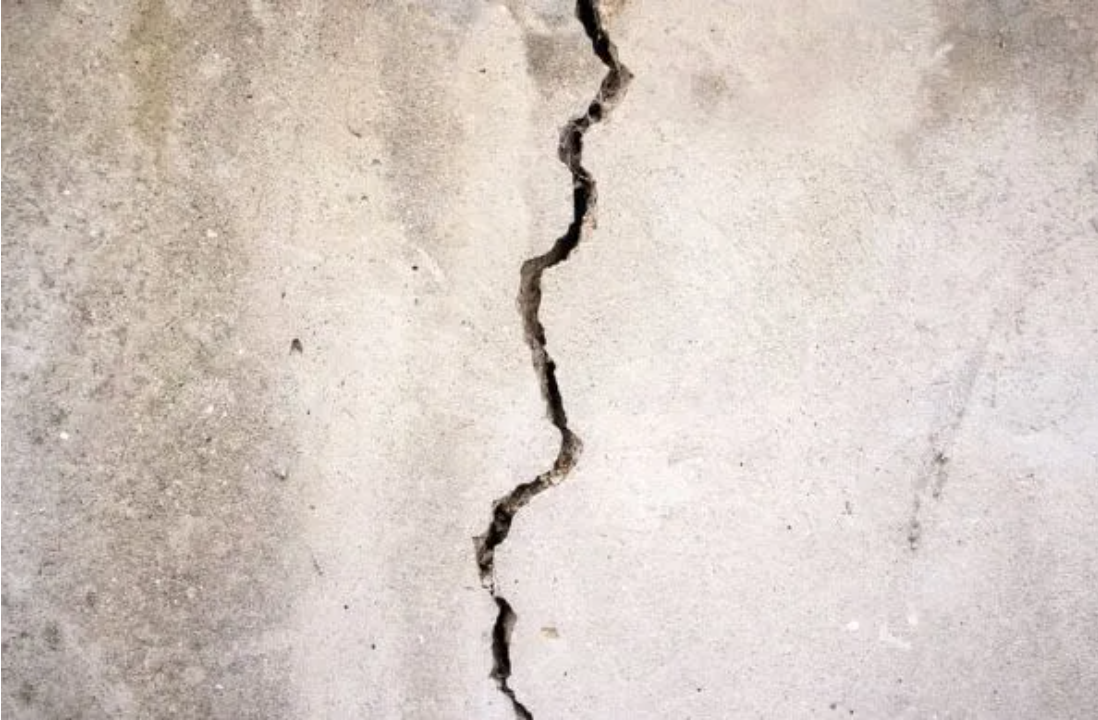
Stucco Cracks Explained: Which Cracks Are Cosmetic and Which Are Structural?
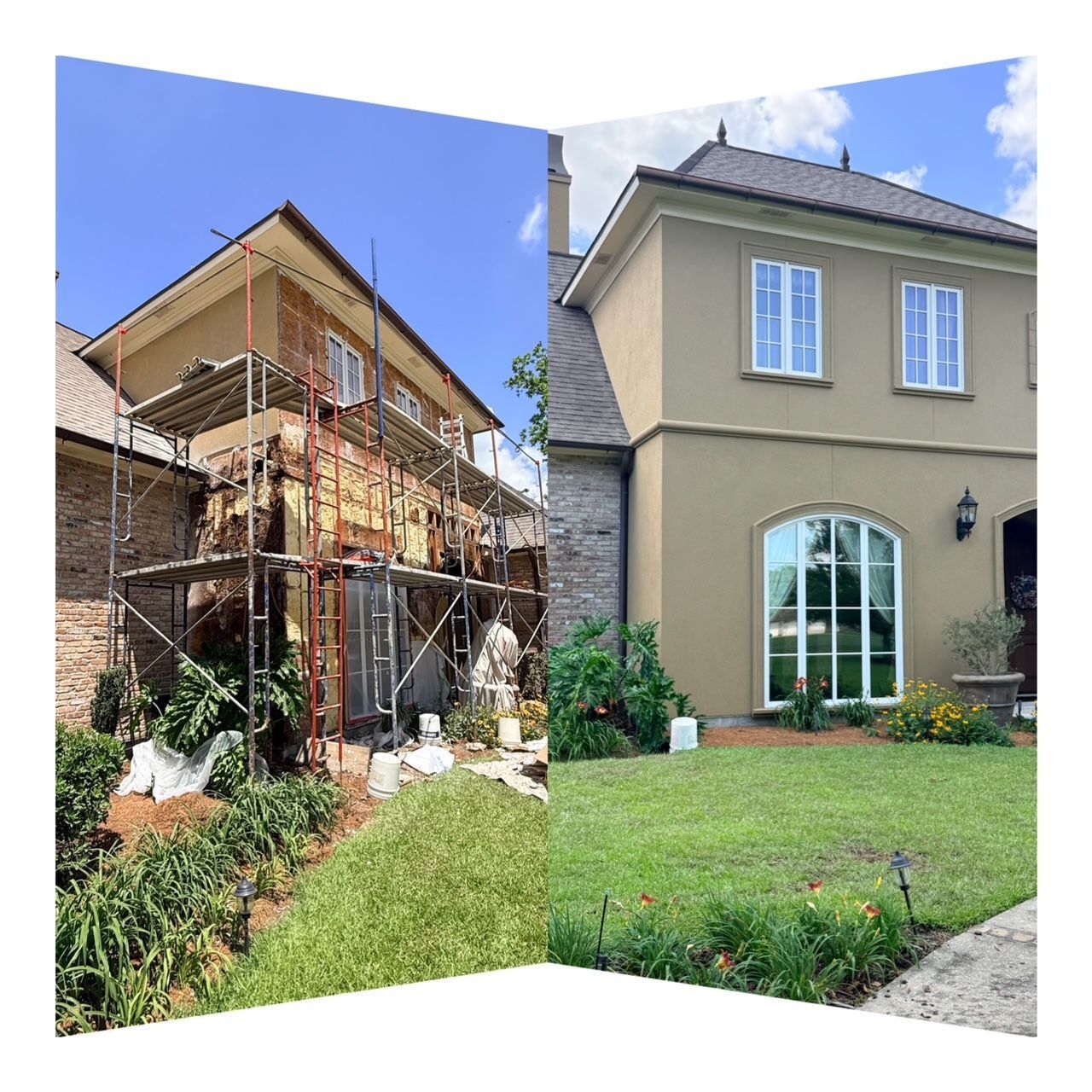
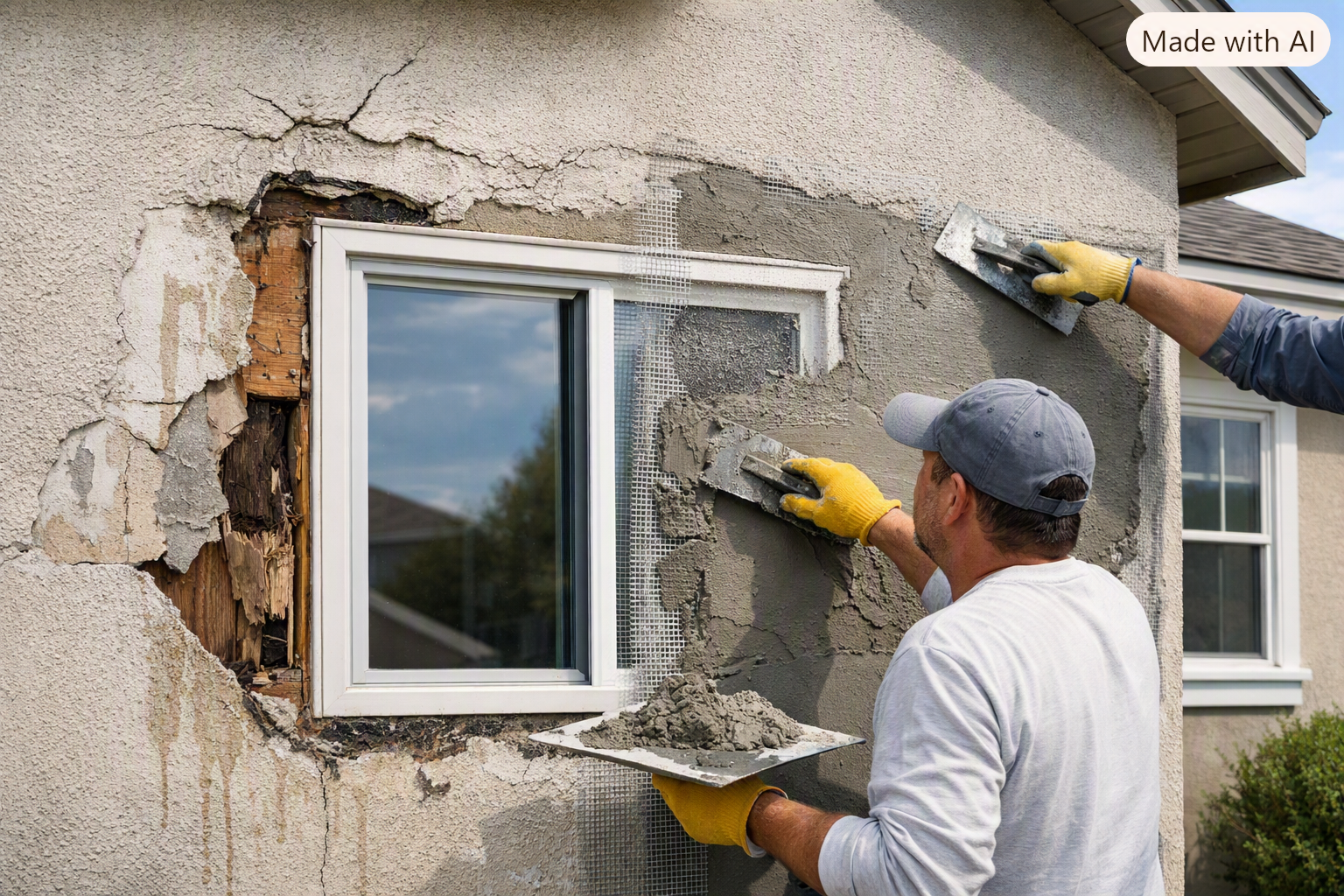
When it comes to your home’s exterior, a small crack is rarely just a crack. For high-end properties, maintaining a flawless facade isn’t just about curb appeal—it’s about protecting your investment from costly structural issues. Whether you’ve recently noticed hairline fractures, staining, or severe cracking after a storm, timing is everything. Why Act Fast? • Water Damaged Stucco: Left untreated, moisture seeps behind the walls, leading to hidden rot, mold, and compromised structural integrity. • Balcony Stucco Repair: Balconies are highly vulnerable to pooling water. Catching leaks early saves you from a complete, expensive tear-out later. • Comprehensive Protection: Quality exterior stucco repair seals your envelope, preserving your home's value and energy efficiency. AandG Stucco LLC Your Trusted Residential Stucco Contractor We specialize in luxury home stucco repair, blending seamless craftsmanship with unmatched durability. We understand that high-end homes require specialized textures, custom color matching, and premium materials to maintain their architectural integrity.
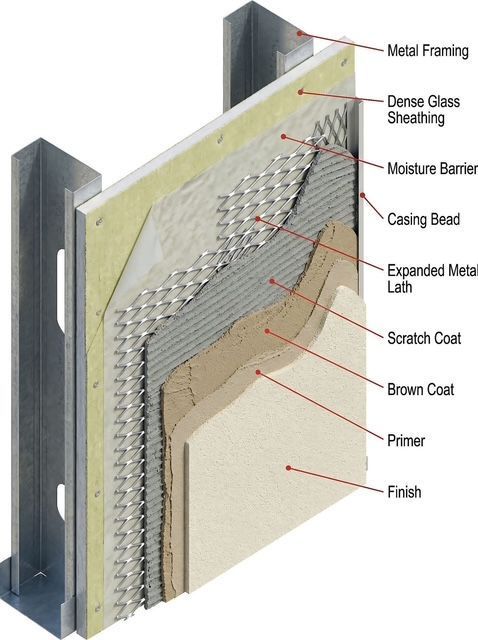
At AandG Stucco LLC, we specialize in professional three-coat stucco systems in Baton Rouge and surrounding areas, delivering long-lasting durability, weather protection, and a clean, high-end finish.
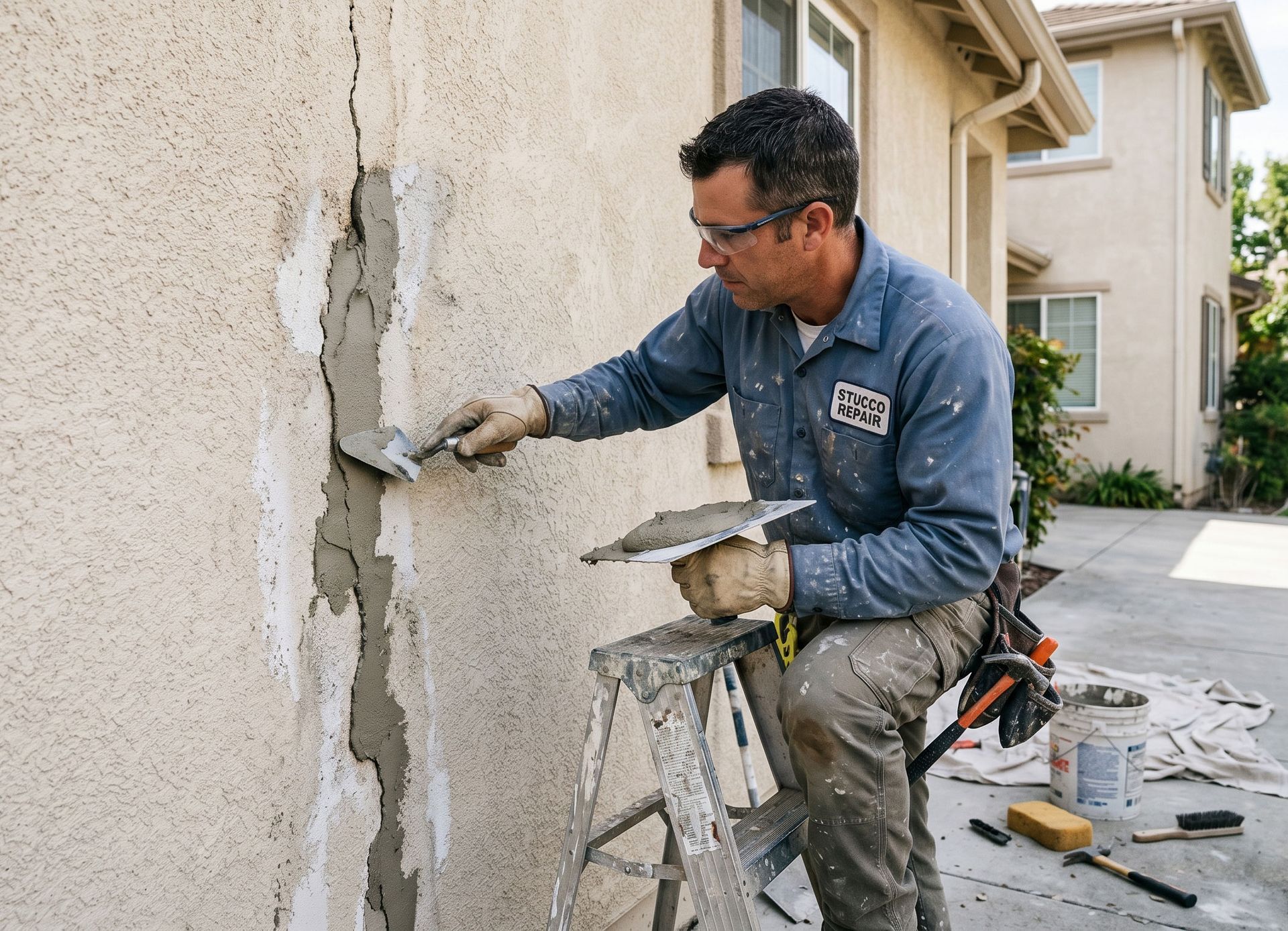
Stucco cracks are one of the most common exterior issues homeowners face in Baton Rouge.
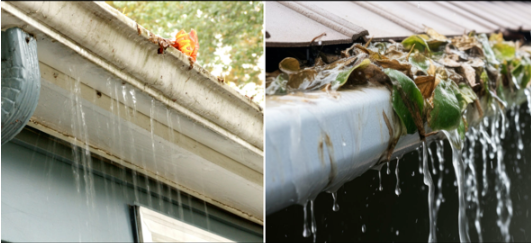
Clogged or overflowing gutters allow water to run down your walls, leading to cracks, staining, and even water intrusion behind the stucco. Over time, this can cause costly structural damage.
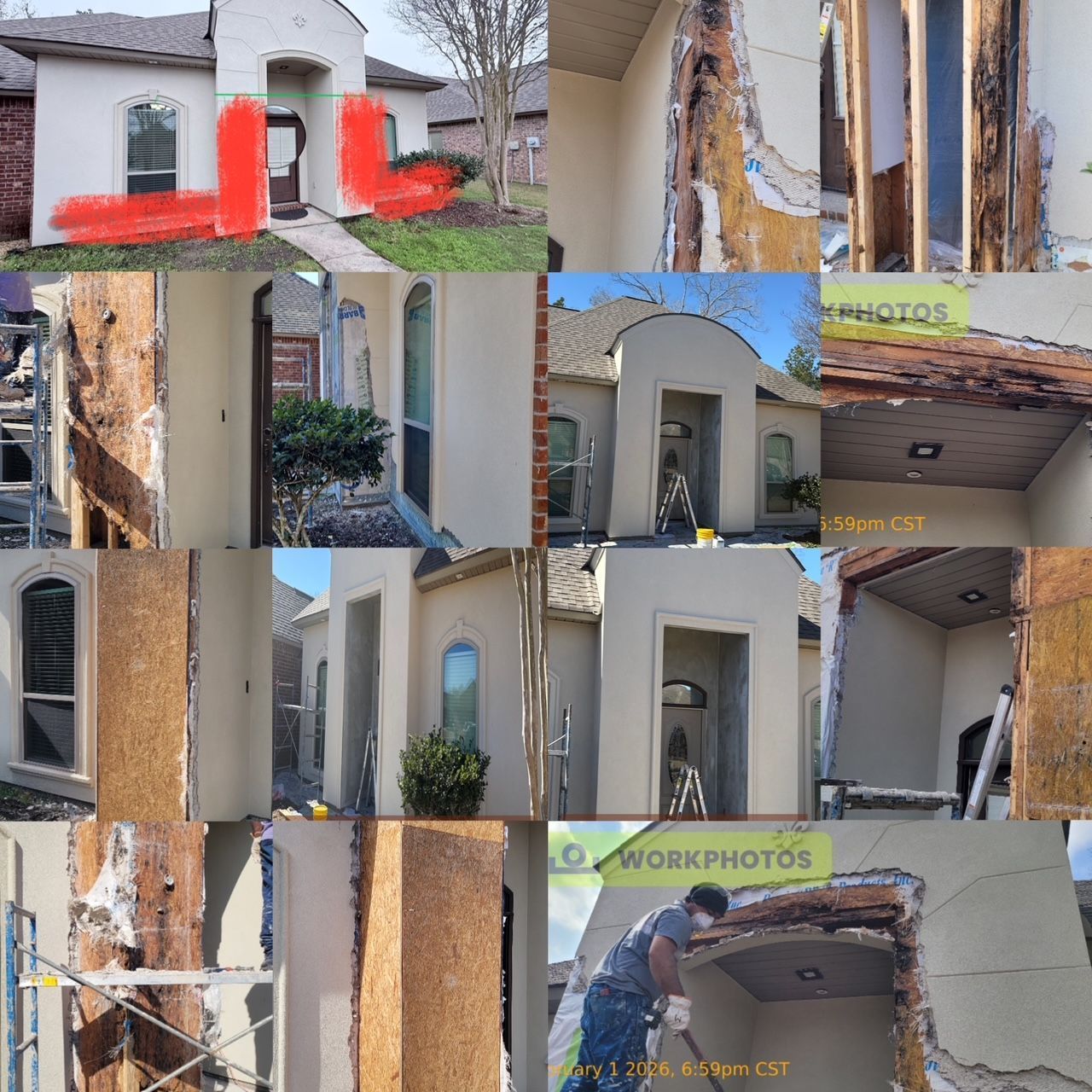
Don’t Settle for a “Surface-Level” Stucco Job
Before hiring a stucco contractor based on price alone, ask if they include these 5 Critical Protection Steps.
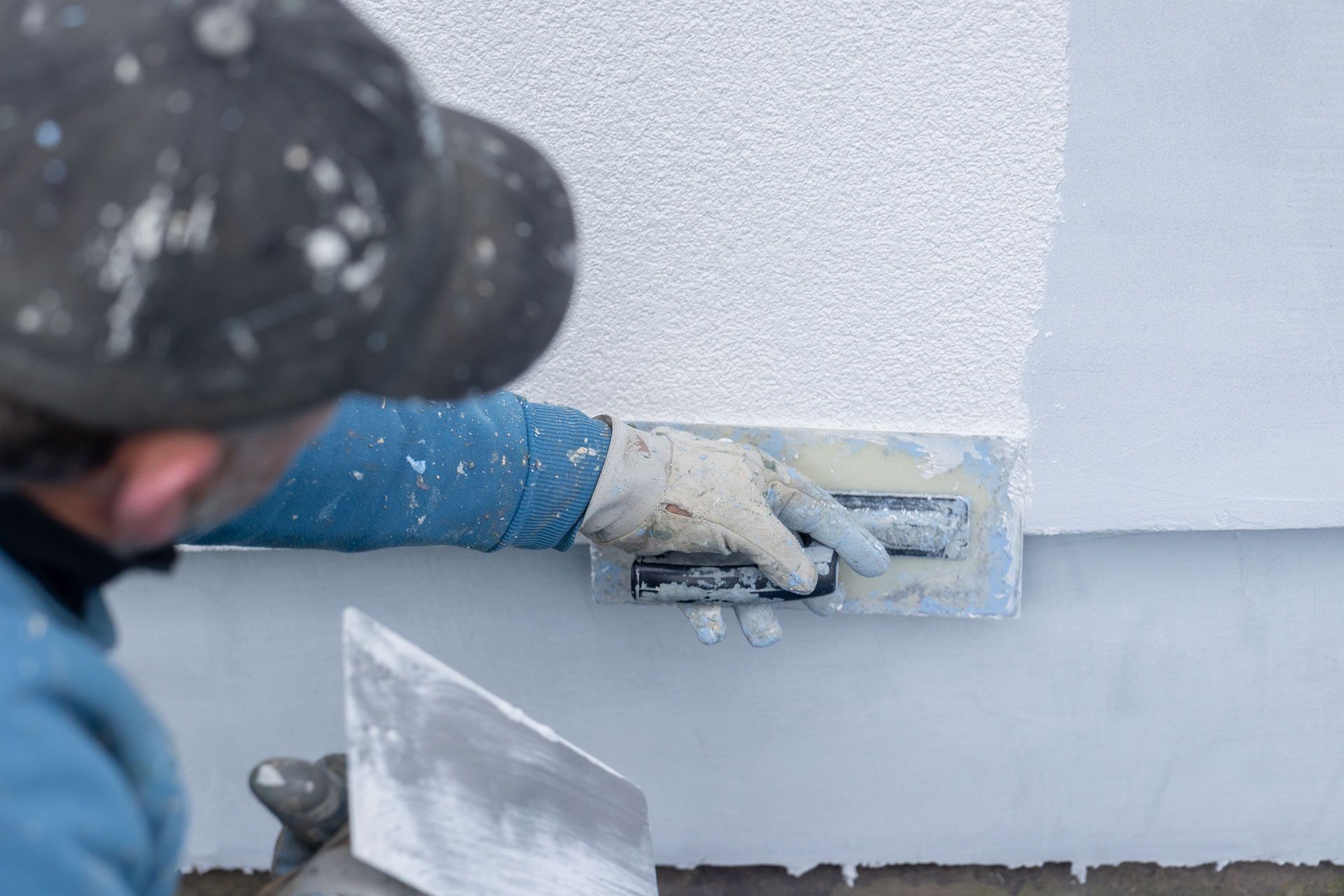
Stucco is more than just a beautiful exterior finish-it's a protective system that shields your home from moisture, heat, and long-term structural damage. In Louisiana's humid climate, proper stucco installation and repair is critical. At AandG Stucco, we specialize in high-quality stucco systems designed to last.